
When your child hears "dentist appointment" and immediately starts crying, their nervous system is recognizing a genuine threat to their sense of safety.We understand that when a simple cleaning becomes a battle of wills, or your child needs extensive treatment but can't sit still long enough for quality care, pediatric sedation can transform the experience from traumatic to manageable. Our team specializes in helping anxious children receive necessary dental care through safe, age-appropriate sedation options that work with your child's natural responses.
Sedation isn't about putting children to sleep unnecessarily; it's about creating the right level of calm so your child can receive thorough dental care while feeling secure and protected. We work with you to determine whether sedation matches your child's specific needs, anxiety level, and developmental stage.
Quick Overview
- Safe, proven options: Nitrous oxide and oral conscious sedation have extensive safety data when administered by trained pediatric specialists
- Anxiety relief without unconsciousness: Both methods help fearful children relax while maintaining their natural protective reflexes and ability to respond
- Age-appropriate protocols: Nitrous oxide works for most children over 3 years old; oral sedation requires individual evaluation based on weight and maturity
- Continuous monitoring: Specialized pediatric equipment tracks vital signs throughout the entire procedure
- Improved treatment outcomes: Relaxed children allow for more thorough care and often develop positive associations with future dental visits
Understanding Your Child's Sedation Options
We offer two primary approaches at our Northeast Pennsylvania locations, each designed for different situations and comfort needs.
Nitrous oxide (commonly called laughing gas) is our gentlest option that helps children feel relaxed while remaining fully conscious and responsive. Think of it as taking the edge off anxiety without changing your child's awareness.
Oral conscious sedation involves a carefully measured liquid medication given about an hour before treatment. This creates deeper relaxation while still allowing your child to follow instructions and maintain all their natural reflexes. Your child will seem drowsy and calm, but they're never unconscious.
The choice depends on several factors: your child's age, anxiety severity, treatment complexity, and previous dental experiences. We typically recommend behavioral guidance techniques first for routine cleanings or simple procedures.
When Does Sedation Benefit Young Patients?
Several indicators suggest your child might benefit from sedation during dental treatment:
Severe dental anxiety: Children who become extremely distressed at the mention of dental work or have panic responses in the dental chair
Developmental considerations: Very young children (typically toddlers and preschoolers) who lack the ability to sit still for extended procedures or understand treatment instructions
Special needs support: Children with communication difficulties, sensory processing challenges, or behavioral regulation issues often receive more comfortable care with sedation
Extensive treatment needs: Multiple fillings, crowns, or other time-intensive procedures that benefit from completion in fewer appointments
Previous difficult experiences: Children who've had challenging dental visits and need help rebuilding positive associations with dental care
How Nitrous Oxide Creates Comfort
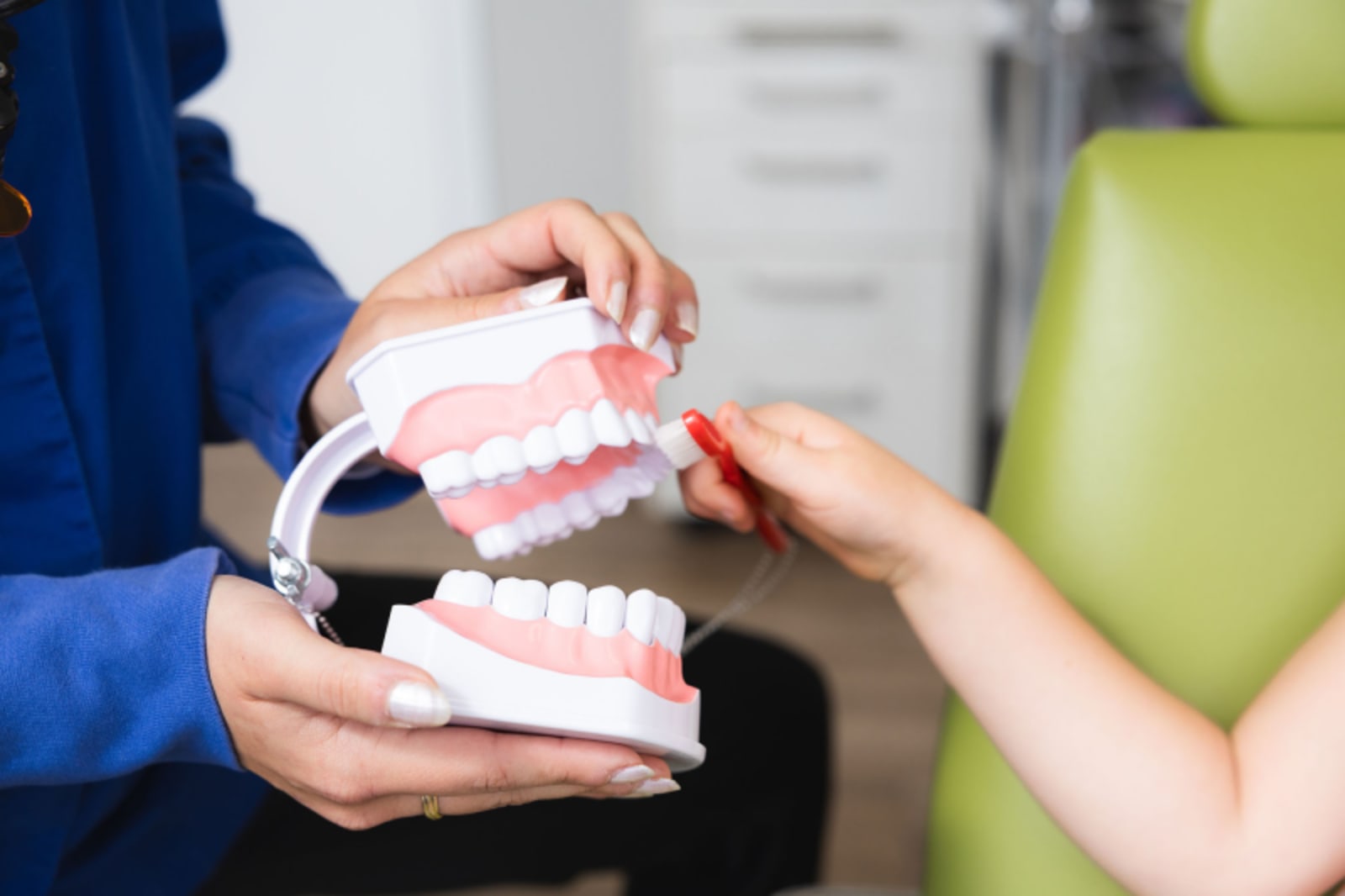
We administer nitrous oxide through a small, comfortable mask that fits over your child's nose. Children often choose fun scents like strawberry or bubble gum to make the experience more enjoyable. It's like breathing flavored air that happens to help them feel relaxed.
The gas takes effect within minutes, creating a relaxed, slightly euphoric feeling that many children describe as "floaty" or "silly." Your child remains completely awake and can talk with us throughout the procedure; they'll feel calm and may giggle, which is perfectly normal and indicates the medication is working properly.
The effects reverse quickly once we remove the mask, usually within a few minutes. Most children over age 3 can use nitrous oxide safely, provided they can breathe through their nose and follow simple instructions.
Oral Conscious Sedation
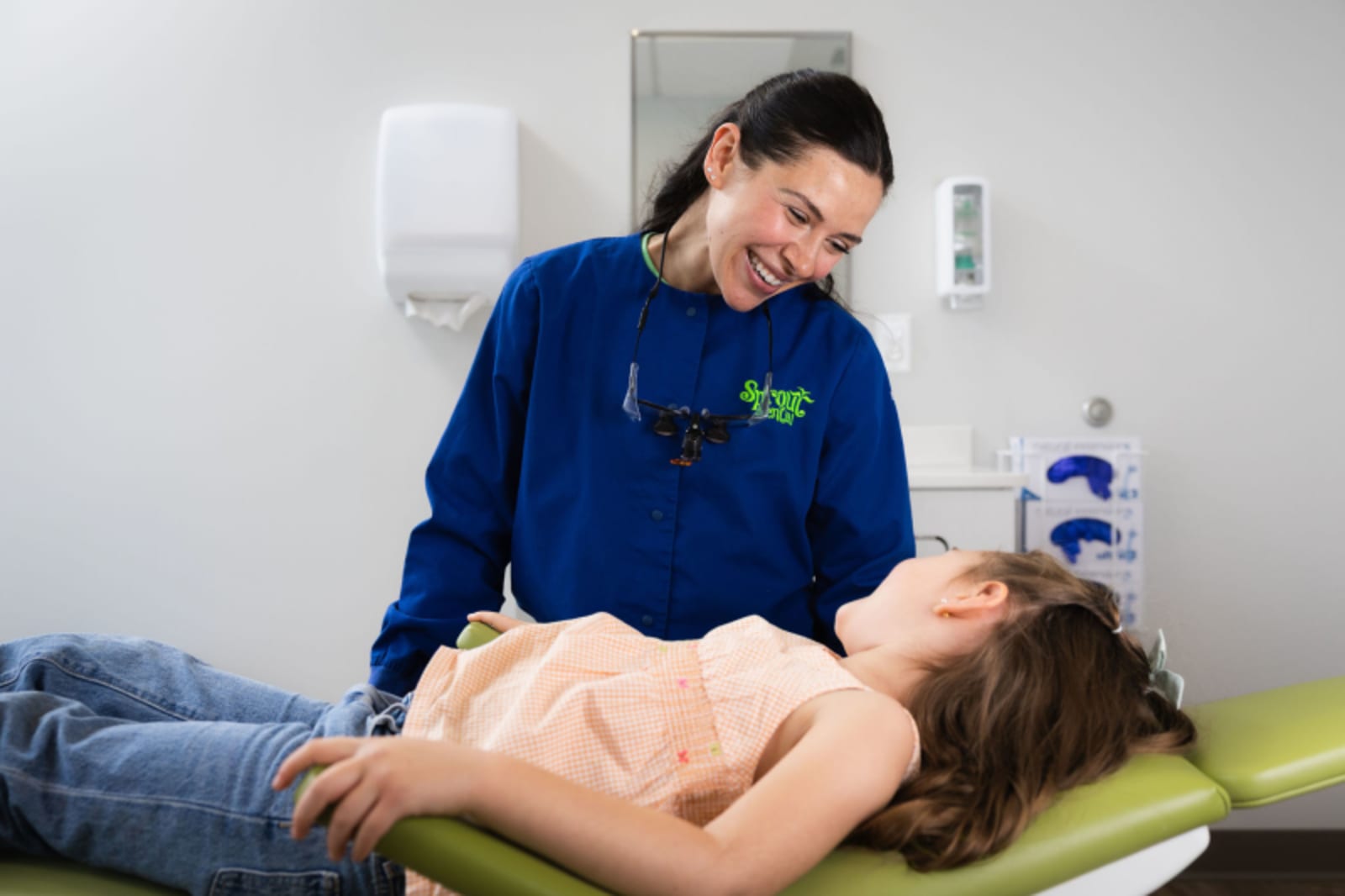
For children requiring more significant anxiety relief, oral conscious sedation provides deeper calm while maintaining safety margins. We give your child a liquid medication (typically a pleasant-tasting syrup) about an hour before their appointment, which creates a drowsy, peaceful state.
Unlike general anesthesia, your child remains conscious and responsive to our instructions, though they may seem sleepy or less aware of their surroundings. Many children remember little about the procedure afterward, which can be beneficial for those with severe dental fears.
This approach works particularly well for extensive treatment sessions, children with special needs, or those who haven't responded adequately to nitrous oxide alone. We calculate dosages precisely based on your child's weight, medical history, and individual response patterns.
Safety Protocols and Continuous Monitoring

Your child's safety drives every decision we make during sedation procedures. Before recommending any sedation option, we conduct a thorough review of your child's complete medical history, current medications, and any previous reactions to identify potential complications.
Throughout treatment, we continuously monitor your child's vital signs using specialized pediatric equipment that tracks heart rate, blood pressure, and oxygen levels. Our team maintains current certifications in pediatric advanced life support and follows emergency protocols specific to sedated pediatric patients.
We adhere strictly to guidelines established by the American Academy of Pediatric Dentistry for sedation protocols. Parents remain in our office during treatment, however not in the treatment room, and we provide detailed post-procedure instructions for safe home care and recovery monitoring.
Preparing Your Child for a Sedation Visit
Proper preparation significantly impacts your child's sedation experience:
Follow fasting guidelines: Nitrous oxide typically requires no food restrictions; oral sedation requires specific fasting periods to prevent nausea and additional complications.
Use positive language: Talk with your child about their visit using age-appropriate, non-threatening terms; focus on how the "sleepy medicine" or "silly air" will help them feel comfortable.
Plan for recovery time: Arrange your schedule to accommodate post-sedation supervision and rest periods, especially for oral sedation. We also encourage families to bring two adults whenever possible. One adult can drive your child home, while the other can stay close to offer comfort and support before and after the appointment.
Bring a change of clothes: We recommend bringing an extra set of clothes for your child, just in case they need a change after their sedation appointment.
Bring comfort items: Favorite stuffed animals or blankets can provide additional security during treatment.
Arrive early: Extra time allows your child to acclimate to the environment before beginning treatment.
Personalize Experiences: Often, we invite oral conscious sedation patients to pick their own entertainment to settle in while the medicine gets working.
Frequently Asked Questions
At what age can children safely receive dental sedation?
Nitrous oxide is generally safe for children over 3 years old who can breathe through their nose and follow simple instructions. Oral conscious sedation may be appropriate for younger children in specific circumstances, but we evaluate each case individually.
Will my child be completely unconscious during sedation?
No, both nitrous oxide and oral conscious sedation keep your child conscious and responsive. They'll feel relaxed and may seem drowsy, but they can still follow instructions and communicate with us. They will always be “easily arousable.”
How long do sedation effects last?
Nitrous oxide wears off within minutes after we remove the mask; your child can resume normal activities immediately. Oral sedation effects can persist several hours, and your child may remain drowsy for the rest of the day.
What are the risks of pediatric dental sedation?
When administered properly by trained professionals, both nitrous oxide and oral conscious sedation carry minimal risks. Potential side effects include nausea, dizziness, or allergic reactions, but these are uncommon with proper screening and monitoring.
Creating Positive Dental Experiences at Sprout Dental
If you're concerned about your child's comfort during dental treatment, sedation dentistry may help make the experience more relaxed and manageable. Contact our Northeast Pennsylvania team to learn whether sedation is right for your child, or schedule a consultation with one of our experienced pediatric dentists.