


Gentle Preventive Dental Care for Kids | Northeast PA
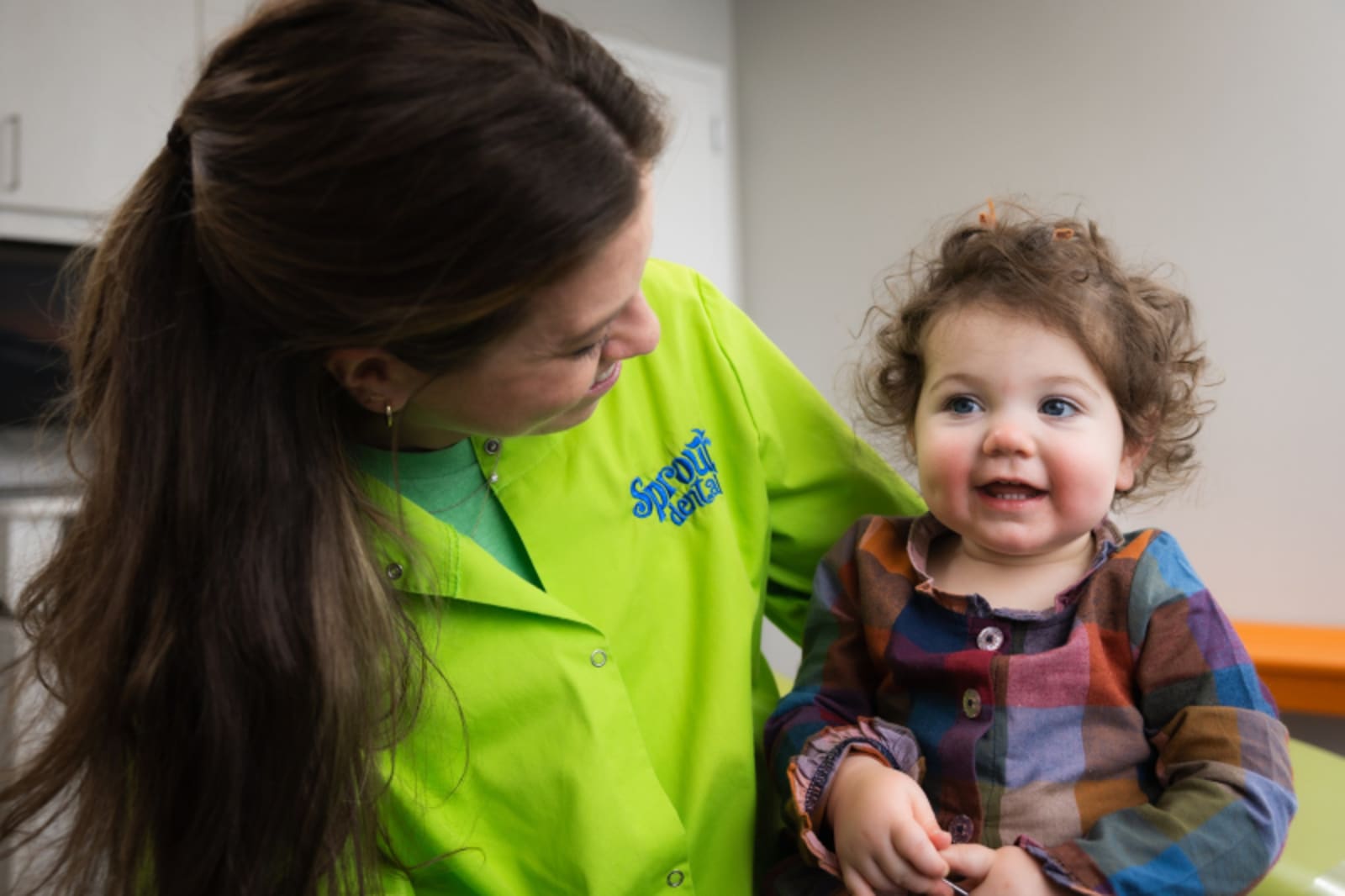
Most cavities are preventable, especially when care starts early.
Preventive pediatric dental care is all about getting ahead of your kid’s oral health early, so that as their smile grows and changes, we're right there guiding it in the right direction. We partner with you from the very first tooth to make sure each visit builds confidence, not anxiety.
Quick Overview
Early Start: First visits by age one or within six months of the first tooth appearing
Regular Schedule: Most children thrive with cleanings and checkups every six months
Protective Treatments: Sealants, varnishes such as HAP, and fluoride applications shield vulnerable areas from decay
Education Focus: Age-appropriate instruction builds lifelong healthy habits
What Is Preventive Dental Care for Kids?
Preventive dental care means catching problems before they start. It includes regular checkups, cleanings, fluoride and varnish treatments, and sealants that protect your child’s teeth as they grow and change. Baby teeth play an important role in guiding permanent teeth and supporting healthy development; keeping them healthy early can prevent more complex issues later.
The psychological component also sets pediatric care apart just as much as the clinical differences. We're building your child's relationship with dental care that will influence their oral health decisions for decades to come. We aim for every interaction and experience with us to begin building trust and comfort.
Components of Our Preventive Approach
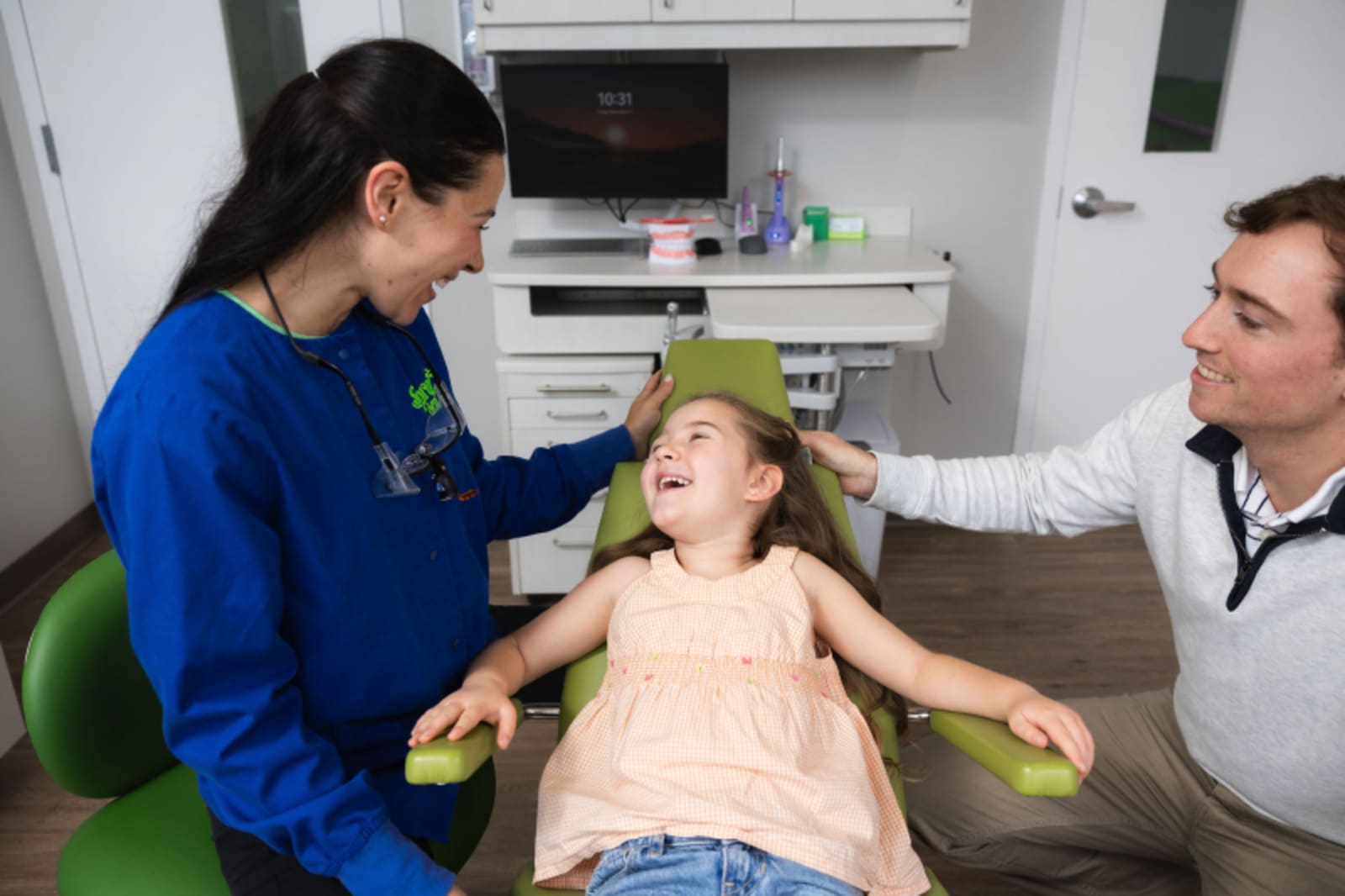
Our comprehensive approach addresses the unique challenges of developing smiles through many levels of care.
Gentle cleanings: Pediatric cleanings use smaller, softer instruments scaled to children's mouths, and we move at your child's pace. Beyond removing plaque and tartar, each cleaning is a chance to check in on brushing habits and show kids firsthand what a healthy mouth feels like.
Developmental monitoring: Children's smiles change fast. We track tooth eruption sequences, jaw growth, and bite development at every visit so that if something is shifting in the wrong direction, we catch it while it's still easy to address — not after it's become a bigger problem.
Digital imaging: Our low-radiation X-rays let us see what's happening between teeth and beneath the gumline, areas that a visual exam simply can't reach. We take images only when clinically appropriate, and we always explain what we're looking for and what we find.
Fluoride treatments: For newly erupted teeth that haven't fully hardened yet, that extra protection matters most. For families who prefer a fluoride-free approach, we also offer our Mineral Shield Treatment using hydroxyapatite varnish, which works with the same natural mineral teeth are already made of.
Dental sealants: The deep grooves in back teeth are naturally difficult to clean, even with good brushing technique. Sealants fill those grooves with a thin protective coating, cutting off the food and bacteria that cause cavities in those hard-to-reach areas before they ever get the chance to settle in.
Habit counseling: Thumb sucking, pacifier use, and mouth breathing can quietly reshape a developing jaw and shift teeth out of alignment over time. We address these habits early with gentle, judgment-free guidance for both parents and kids because early redirection is almost always simpler than corrective treatment later.
Nutrition guidance: What your child eats and when they eat it matters more than most parents realize. Frequent snacking and sugary or acidic drinks keep the mouth in a near-constant state of acid exposure, which enamel can't withstand all day. We talk with families about snacking (types and timing), drink choices, and small realistic swaps that protect teeth without turning every meal into a negotiation.
When Should Your Child Start Preventive Care?
The American Academy of Pediatric Dentistry recommends first visits by your child's first birthday or within six months of their first tooth appearing, whichever comes first. This timeline might seem early, but it serves crucial purposes beyond just examining tiny teeth.
Early visits establish your child's comfort level with our office environment, instruments, and team members while their natural curiosity outweighs any learned fears. We can assess proper oral development, discuss feeding practices that protect emerging teeth, and demonstrate cleaning techniques appropriate for your child's current stage.
These initial appointments also allow us to identify and address habits like prolonged bottle use or thumb sucking before they influence jaw development or tooth positioning. Early intervention typically requires gentle guidance rather than intensive treatment. Waiting until problems become established makes correction more complex and time-consuming.
How Often Should Children Visit?
Most children benefit from preventive visits every six months, though individual factors might make more frequent visits necessary. We consider several variables when determining optimal timing:
Cavity history: Children with previous decay may need more frequent monitoring
Developmental stages: Active tooth eruption periods require closer observation
Risk factors: Medical conditions, medications, or dietary challenges may indicate more frequent care
Orthodontic treatment: Braces create additional cleaning challenges that benefit from professional support
Comfort level: Some children thrive with shorter, more frequent visits rather than longer intervals
Growing Healthy Smiles in Northeast Pennsylvania

Every sprout grows at its own pace, and that's exactly how it should be. If your child needs a little extra patience, a little extra time, or just someone who gets it, Sprout Dental’s Smile team is ready. Come visit us at any of our four locations in Honesdale, Hamlin, Kingston, and Pittston. We'd love to get to know your little one.
Call us at (570) 253-0358 to get started.
FAQ from Parents at Sprout Dental
How early should my child's first dental visit be?
We recommend scheduling your child's first visit by their first birthday or within six months of their first tooth appearing. This early start establishes a dental home, allows us to monitor proper oral development, and creates positive associations before any fear of dental visits can develop.
Are pediatric dental cleanings different from adult cleanings?
Absolutely. We use gentler techniques, specialized pediatric instruments, and age-appropriate communication throughout the process. Our focus extends beyond cleaning to include developmental monitoring, habit assessment, and education tailored to your child's understanding level.
What if my child is afraid of the dentist?
Dental anxiety is common and completely understandable. We specialize in creating positive experiences through gentle techniques, clear explanations, and a welcoming environment. Many anxious children become our most enthusiastic patients once they experience our approach and realize dental visits can actually be enjoyable.
Do children really need dental sealants?
Sealants provide excellent protection for the deep grooves and pits in back teeth where cavities most commonly develop. These areas remain vulnerable even with conscientious brushing. They're particularly beneficial for children still perfecting their brushing technique or those at higher risk for decay due to dietary or medical factors.